Zanskar Trekking Guide
Overview of Zanskar Trekking
The Zanskar region, located in the remote valleys of Ladakh, India, is a haven for trekkers seeking rugged trails, serene monasteries, and breathtaking Himalayan landscapes. Known for the famous Chadar Trek across a frozen river and other challenging routes, Zanskar offers treks that vary in difficulty and showcase pristine natural beauty and rich Tibetan Buddhist culture.
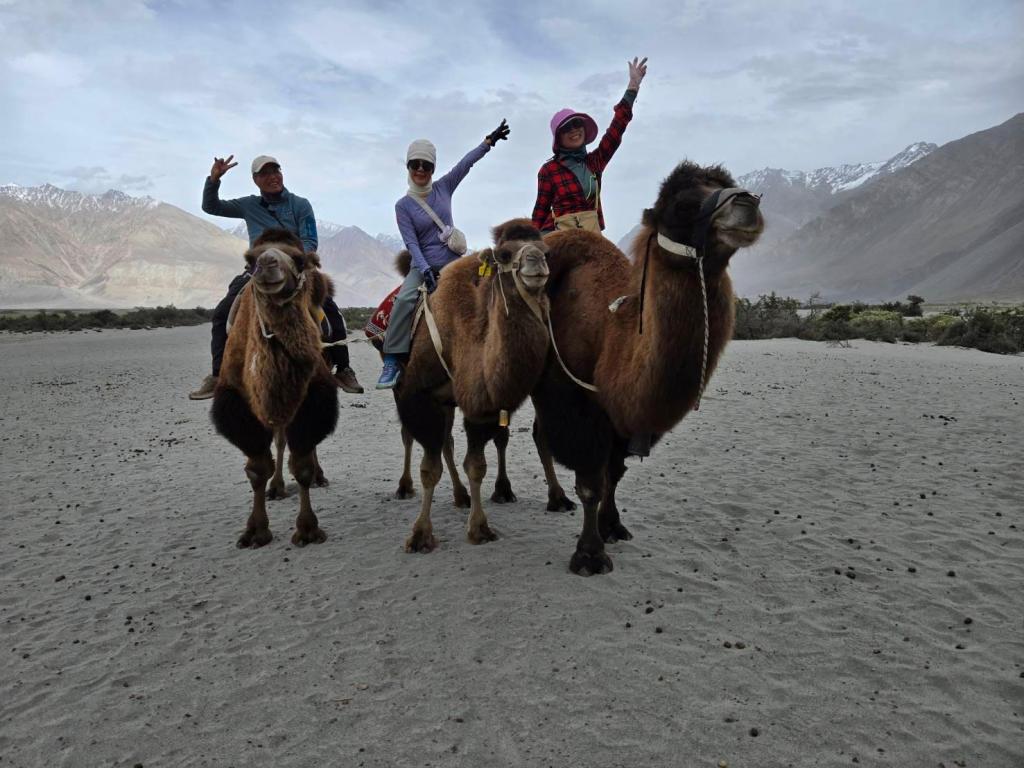
5 best trekking from Zanskar
1:Chadar Trek (Frozen River Trek)
- Difficulty: Difficult
- Best Time: January to February
- Duration: 6-9 days
- Highlights: Trekking on the frozen Zanskar River, ice formations, remote villages, and cave camps. It’s an extreme winter trek for experienced trekkers.
2:Padum to Darcha Trek
- Difficulty: Moderate to Difficult
- Best Time: June to September
- Duration: 9-11 days
- Highlights: This high-altitude trek passes through the remote villages of Lingshed, Kargyak, and Phugtal Monastery. It’s ideal for trekkers seeking seclusion and cultural immersion.
3:Zanskar to Sham Valley Trek
- Difficulty: Moderate
- Best Time: June to September
- Duration: 7-8 days
- Highlights: Traversing through villages, monasteries, and valleys, this trek offers a mix of scenic beauty and cultural exploration, including visits to the monasteries at Lamayuru and Wanla read more.
4:Phuktal Monastery Trek
- Difficulty: Moderate
- Best Time: June to October
- Duration: 5-6 days
- Highlights: One of the most famous monasteries in the region, Phuktal is built into a cliffside, offering a unique view and insight into Zanskari Buddhism and monastic life.
5;Kiygar La Trek – Trekking in Zanskar
The Kiygar La trek is a relatively offbeat Himalayan trail in the Zanskar region of Ladakh read more.
Best Time to Trek in Zanskar
- Summer (June to September): Ideal for high-altitude treks like the Padum to Darcha Trek. The weather is pleasant, with temperatures ranging from 10°C to 20°C during the day.
- Winter (January to February): Suitable for the Chadar Trek. Temperatures can plunge as low as -30°C at night, and trekkers need to prepare for extreme cold.
Essential Information for Zanskar Trekkers
- Permits: Foreign nationals must obtain an Inner Line Permit to trek in Zanskar, while Indian citizens may need to register in some areas. Permits can typically be arranged through trekking companies or at local administrative offices in Leh.
- Altitude and Acclimatization: Zanskar treks reach altitudes of up to 5,000 meters (16,400 feet). Proper acclimatization is crucial to avoid altitude sickness, and trekkers should plan for rest days.
- Accommodation: Accommodation options are limited to homestays and campsites along most routes. It’s recommended to trek with an operator who arranges tents, food, and other essentials.
- Connectivity: Zanskar is extremely remote with limited mobile network coverage. It’s advisable to inform family or friends beforehand about limited connectivity, and some trekkers carry satellite phones.
Packing List for Zanskar Treks
- Clothing:
- Layered clothing (thermal base, fleece, waterproof outer layer)
- Insulated jacket for winter treks
- Quick-dry trekking pants
- Waterproof gloves, socks, and hat
- Trekking Gear:
- Sturdy, waterproof trekking boots
- Sleeping bag rated for sub-zero temperatures (for winter treks)
- Trekking poles
- Essentials:
- First-aid kit and altitude sickness medication
- High-energy snacks
- Reusable water bottles (filtered water is recommended)
- Personal toiletries and sunscreen
- Winter Trek Gear (Chadar Trek):
- Crampons or ice grips
- Thermal flask for hot water
- Extra pairs of socks
How to Reach Zanskar
- By Air: The nearest airport is Kushok Bakula Rimpochee Airport in Leh. From Leh, it’s a long drive to Padum, the main town in Zanskar.
- By Road: Zanskar is accessible by road from Kargil, with a challenging drive that takes about 12 hours. The road is usually open from June to September.
Why Trek in Zanskar?
Trekking in Zanskar is more than an adventure; it’s a journey through remote highlands, with opportunities to engage with local communities, ancient monasteries, and pristine natural landscapes. It offers an unmatched sense of solitude and connection with nature, perfect for trekkers who value raw, untouched beauty and cultural immersion.
 Trek Kashmir