







Snow Leopard Trek in Ladakh – Discover ghost of the Himalayas
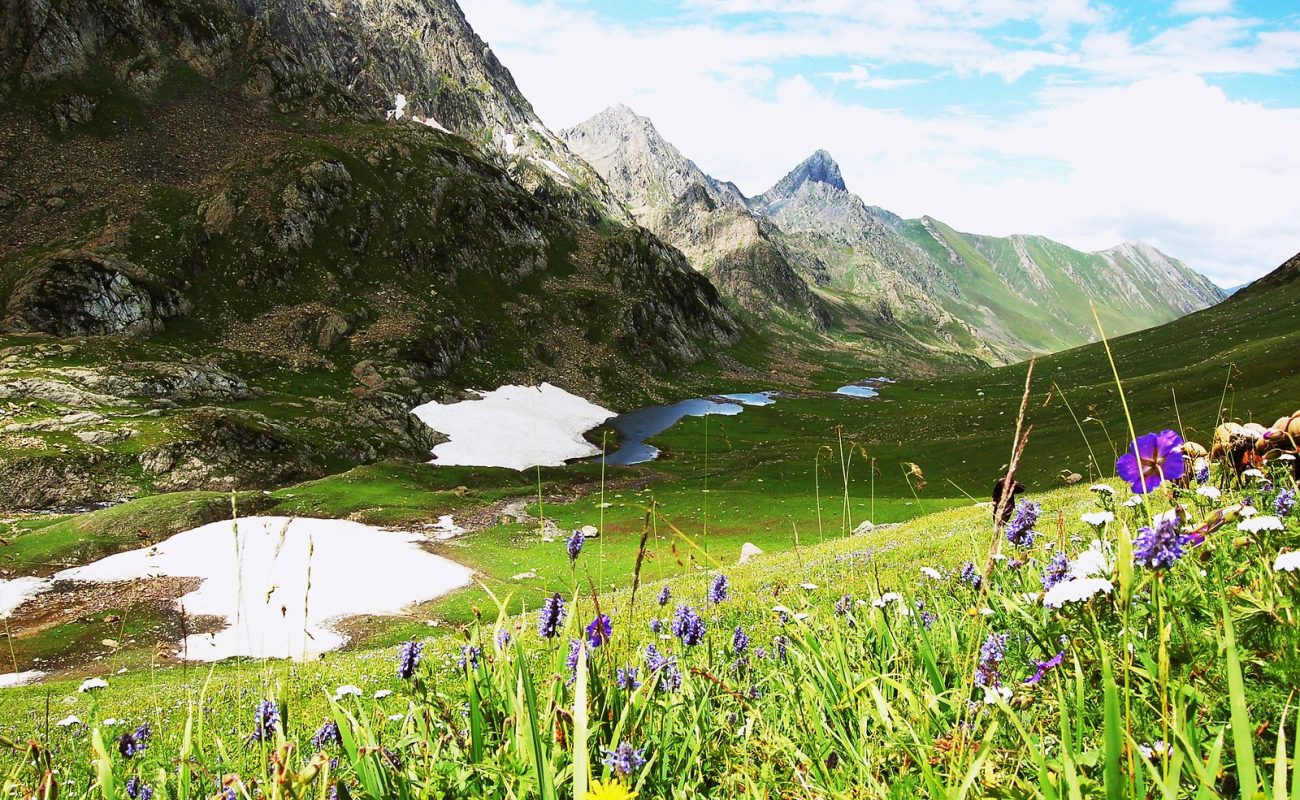
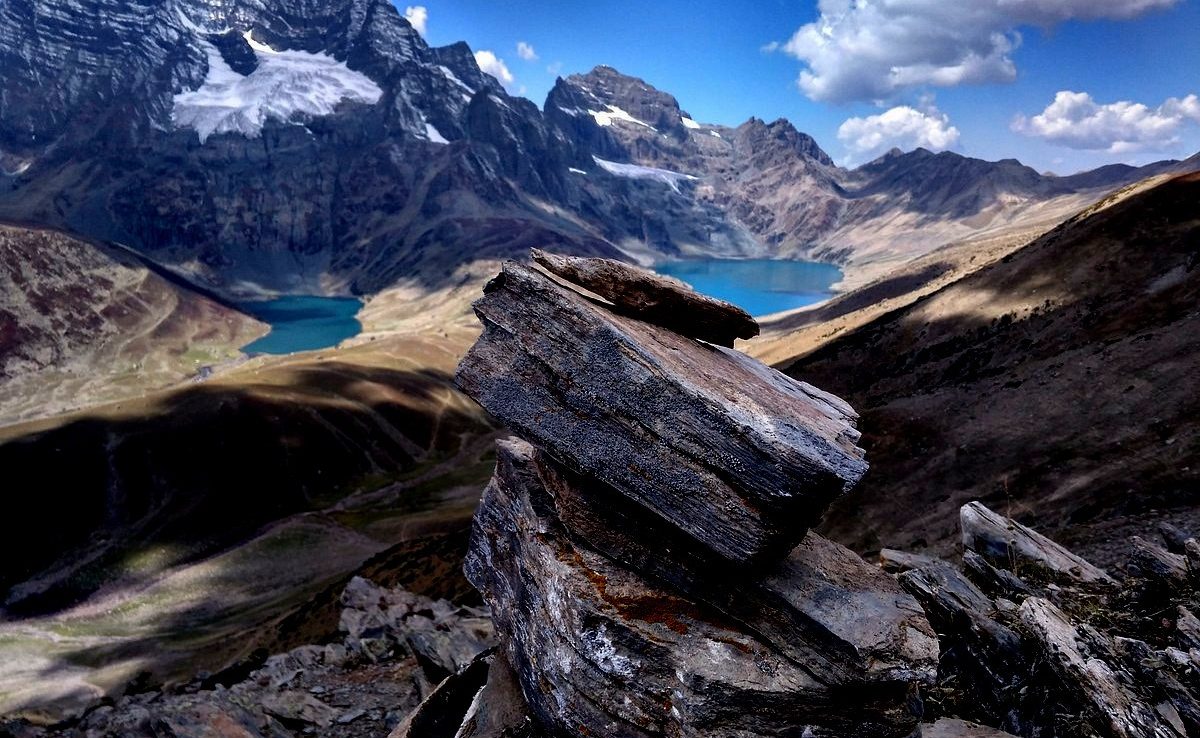
Snow Leopard Trek: Ladakh offers an unforgettable adventure into the rugged, pristine wilderness of the Himalayas. This thrilling journey takes you through high-altitude landscapes, where you have the rare opportunity to spot the elusive snow leopard in its natural habitat. The trek spans remote regions of Ladakh, known for their breathtaking views of snow-capped peaks, deep valleys, and pristine wildlife. Ideal for seasoned trekkers, it also offers a chance to experience Ladakhi culture and traditions. Embark on the Snow Leopard Trek for an immersive wildlife adventure, unforgettable scenic beauty, and the thrill of spotting one of nature’s most elusive predators.This is a special trip to find the rare snow leopard in Ladakh’s Hemis National Park. The trek is done in winter when snow leopards come to lower areas. This is a great adventure for people who love nature and want to see animals in the wild read more trekking in leh Ladakh..

Snow Leopard in Ladakh: The Rchan
The Snow Leopard, known as Rchan in Ladakh, is one of the most fascinating and rare big cats in the world. These beautiful animals are mostly found in the mountainous areas of Ladakh, especially in places like Hemis National Park and Zanskar Valley. There are only about 250 to 350 snow leopards in Ladakh. They also live in the high, cold areas of the Himalayas.

Snow Leopard Habitat
Snow leopards live in isolated rocky mountains and prefer to stay alone. They are strong and skilled hunters, able to jump up to 6 meters thanks to their powerful back limbs and muscles. The male snow leopards are very territorial and mark their area with urine, feces, and leftover food. Their diet includes animals like Blue Sheep, Asiatic Ibex, marmots, and wild sheep.

Characteristics of the Snow Leopard (Rchan)
- The Rchan has dense, soft fur to keep warm in the cold mountains.
- They are known as the “king of the snow-capped mountains” because of their ability to survive in such tough, snowy conditions.
- Their body has dark-grey spots on the limbs.
- Both male and female snow leopards look the same.
- The tail is thick and long, about 1/3 of the body length, which helps them balance when climbing and jumping.
Snow leopards are not just rare but also listed as Endangered on the IUCN Red List of endangered animals. This makes spotting them a special and important experience in Ladakh’s wild beauty.


Itinerary snow leopard adventure
Day 1: Arrive in Leh (Capital of Ladakh)
- You will arrive in Leh, a city surrounded by beautiful mountains.
- Spend the day resting and getting used to the high altitude (Leh is very high up in the mountains).
- You can walk around Leh and see the local shops and places like ancient monasteries.
- Stay overnight in a guesthouse in Leh.
Day 2: Rest and Explore Leh
- Visit Thiksey Monastery in the morning for a great view of Leh.
- In the afternoon, take a short walk to Shanti Stupa.
- Relax and explore the local markets in the evening.
- Enjoy traditional Ladakhi food for dinner, like momos (dumplings) and thukpa (noodle soup).
- Stay overnight in Leh.
Day 3: Drive to Rumbak Valley Base Camp
- After breakfast, drive to Rumbak Valley, which is deep inside Hemis National Park.
- On the way, enjoy the views of snow-covered mountains, frozen rivers, and desert-like landscapes.
- Set up camp or stay in a simple guesthouse when you arrive.
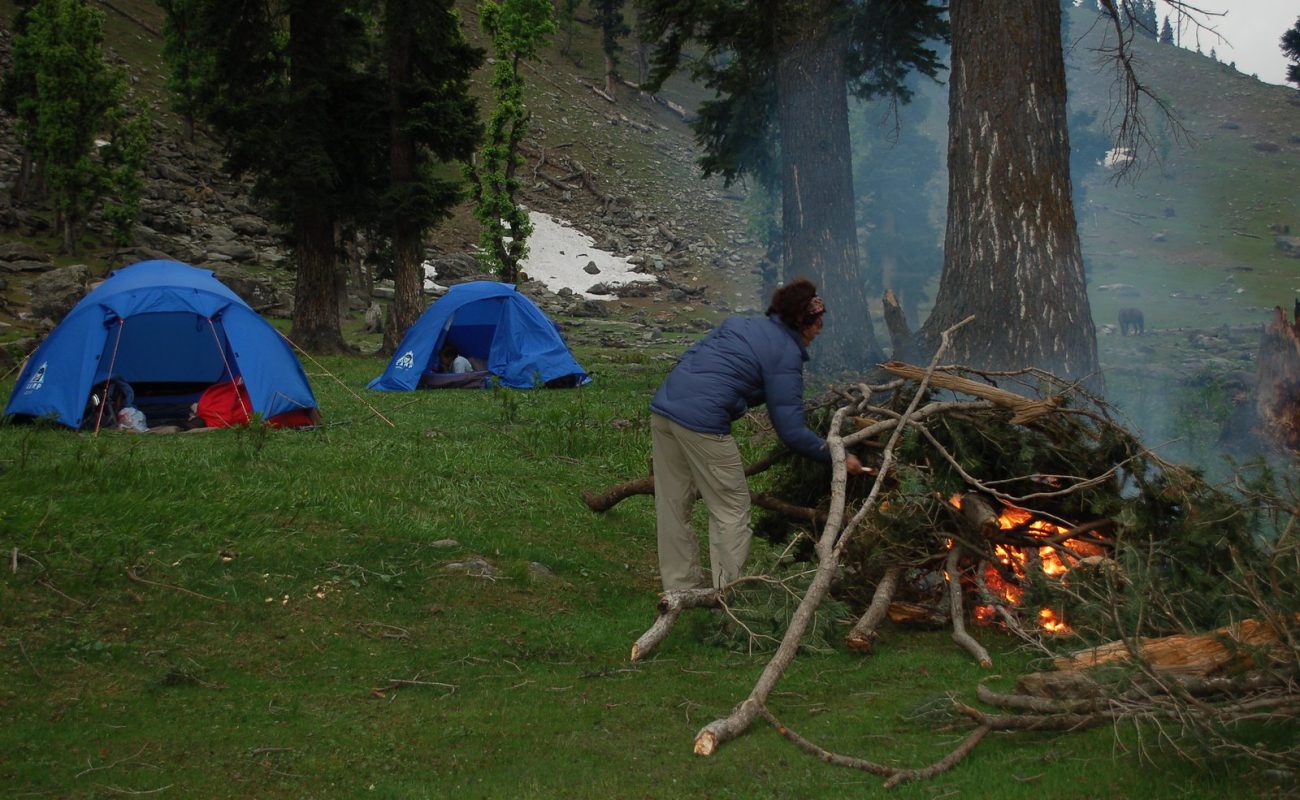
- At night, enjoy a campfire and meet the local guides who will explain how snow leopards live in the wild.
- Stay overnight in tents.
Day 4: Trek to Tarbung Valley and Search for Wildlife
- Start early and begin trekking to Tarbung Valley, a good place to spot snow leopards.
- As you walk, you may see animals like blue sheep and Himalayan ibex, which are food for snow leopards.
- Your guide will help you find animal tracks like paw prints and claw marks on rocks.
- Return to camp for dinner and stay overnight in tents.
Day 5: Search for Snow Leopards at Husing Point
- On this day, trek to Husing Point, one of the best places to find snow leopards.
- Your guide will help you use binoculars to spot any movement on the cliffs or mountains.
- There’s a good chance to see snow leopards, but you may also spot other animals like marmots, foxes, or different birds.
- Return to camp in the evening and relax by the fire.
- Stay overnight in tents.
Day 6: Return to Rumbak Village
- Today, continue trekking along the Rumbak River, following animal tracks to search for snow leopards.
- The trek is peaceful and quiet, with only the sound of the wind and the occasional call of a bird.
- Head back to Rumbak Village by the afternoon and enjoy the comfort of a local guesthouse.
- In the evening, enjoy a traditional Ladakhi meal and talk with the village people.
- Stay overnight in the village guesthouse.
Day 7: Return to Leh and Depart
- After breakfast, drive back to Leh and enjoy the last views of Ladakh’s stunning landscapes.
- If you have time, you can shop for souvenirs or visit a few more sites in Leh.
- Depending on your flight time, say goodbye to your guide and tracker.
- Fly back home from Leh.
Best Time to Go:
- February and March: This is the best time to see snow leopards. The weather is cold but not too harsh during the day. It’s very cold at night, so make sure to bring warm clothes.
What to Expect:
- Wildlife: You may see snow leopards, blue sheep, Himalayan ibex, foxes, marmots, and birds.
- Accommodation: You will stay in tented camps or guesthouses in the villages. These are basic but comfortable, and they help you experience the traditional Ladakhi way of life.
- Food: Enjoy traditional Ladakhi food, such as momos (dumplings) and thukpa (noodle soup).
- Weather: During the day, the weather is cold but pleasant. At night, it can get very cold, so you’ll need warm clothes and sleeping bags.
Who to Go With:
- Experienced Guide & Tracker: An experienced guide and tracker will help you find snow leopards and other animals. They know the area well and can point out tracks and signs of the snow leopards.
- Local Organizations: It’s a good idea to go with a local company that supports sustainable tourism and conservation. They will give you an authentic and responsible experience.
Additional Info:
You can watch videos or documentaries about Ladakh’s snow leopards before your trip to learn more about them. These films show how the animals live in this harsh environment.
Ready to join the Snow Leopard Trek? Book your trip now and discover the beauty of Ladakh’s wildlife and stunning landscapes!