







Introduction to Trekking in Leh Ladakh A Paradise for Adventure Enthusiasts
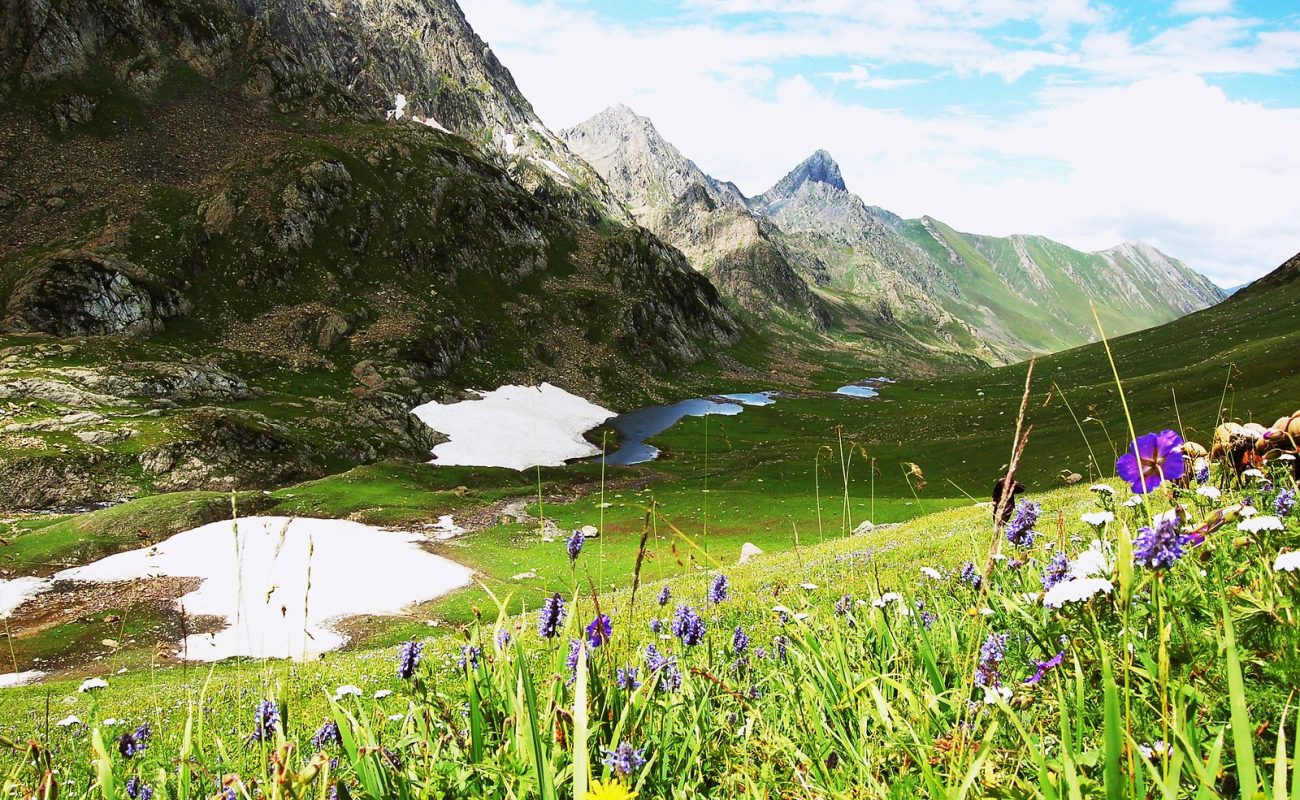
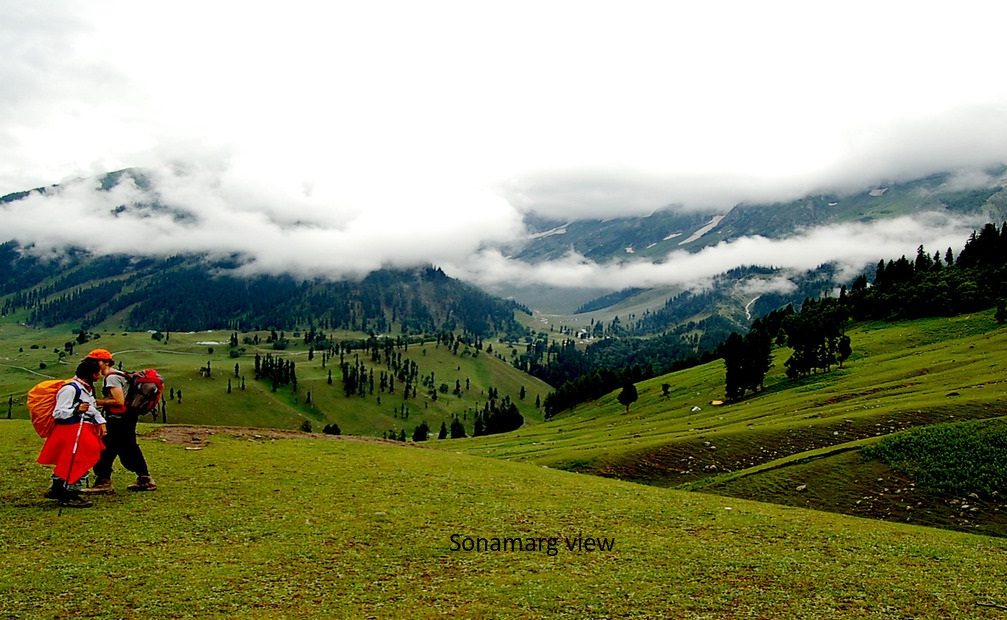
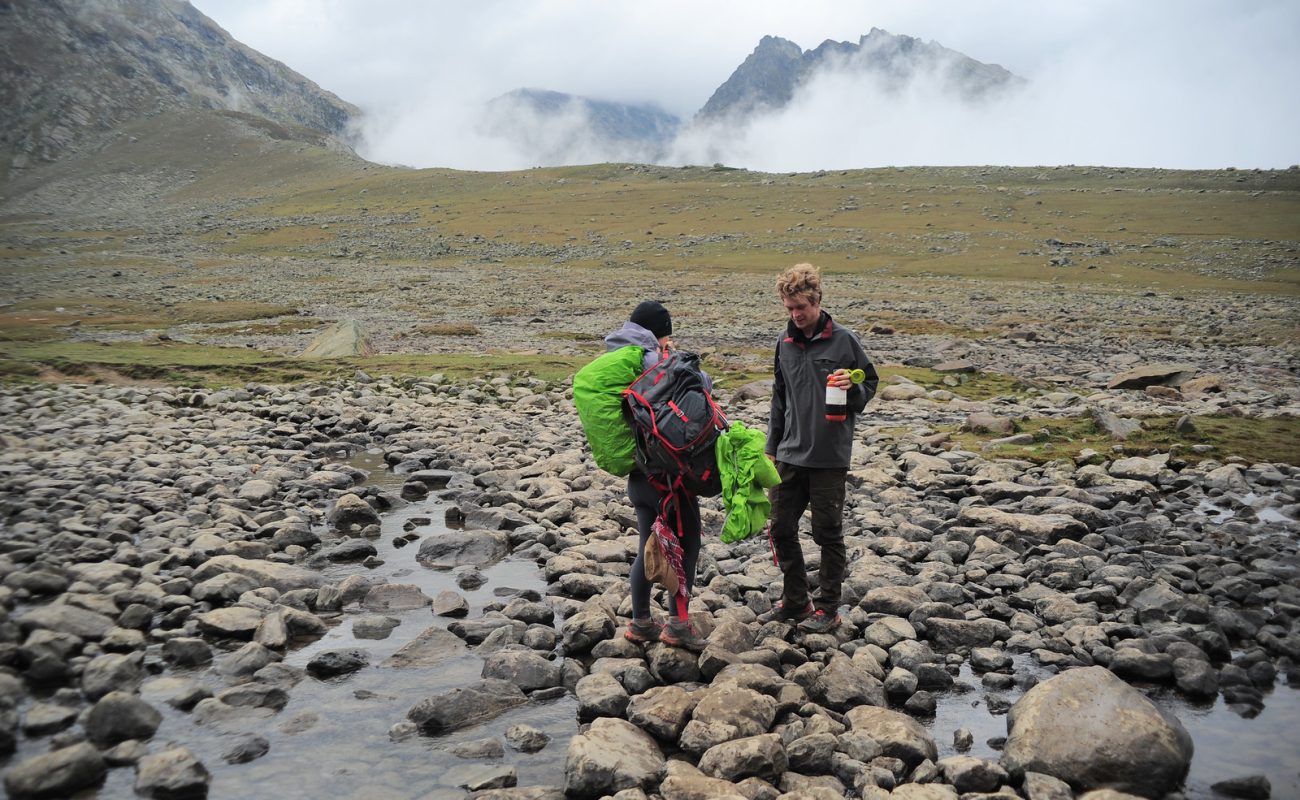
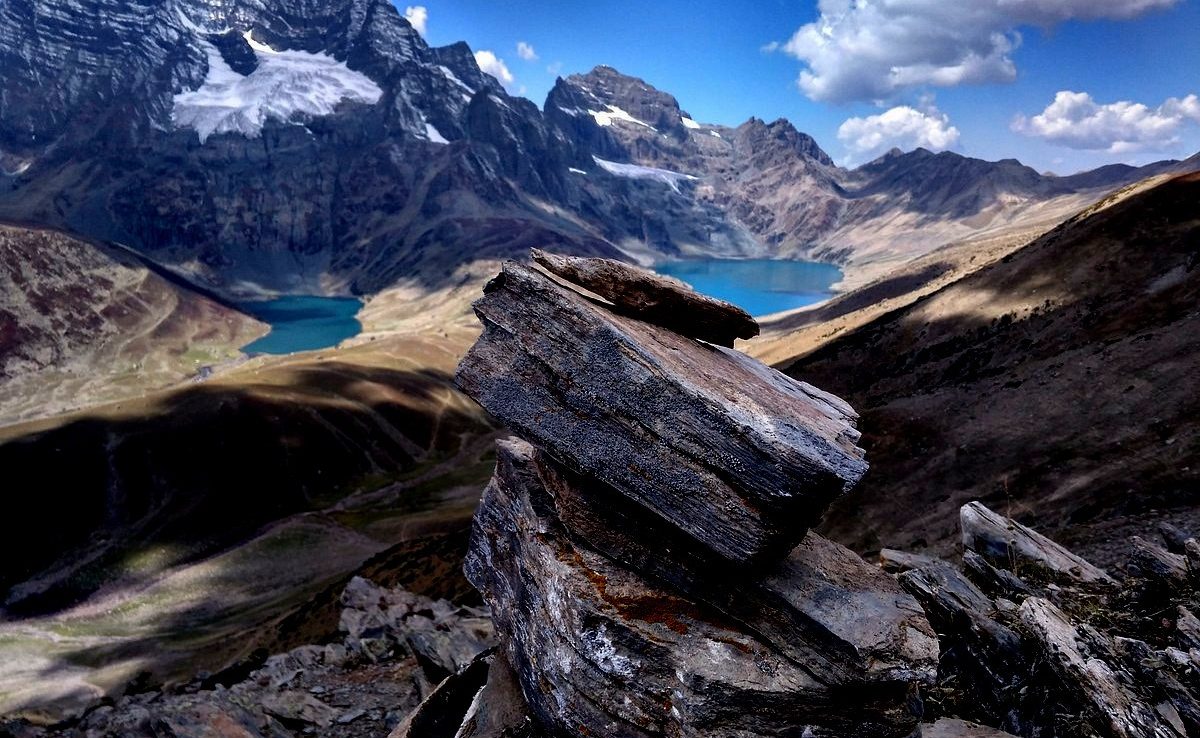
Trekking in Ladakh :Leh, the capital of the Ladakh region in North India, is a paradise for trekking enthusiasts. Nestled in the Himalayas, it features breathtaking landscapes and challenging terrains. Whether you’re a beginner or an experienced trekker, there are plenty of routes to explore. Here are a few must-visit trekking spots in Leh:

Best trekking in Ladakh
- Markha Valley: A popular trek offering stunning views of valleys, monasteries, and local villages.
- Chadar Trek: Experience the thrill of walking on the frozen Zanskar River, surrounded by dramatic cliffs.
- Stok Kangri: For those seeking a challenge, this trek leads to a stunning peak with panoramic views.
- Nubra Valley: A unique landscape where you can trek through sand dunes and see double-humped camels.
- Sham Valley: An easier trek, perfect for beginners, with beautiful monasteries and friendly villages.
- Snow Leopard Trek Ladakh; Discover the Ghost of Himalayas
Each of these routes provides a unique glimpse into the natural beauty and culture of the region.

Ladakh Trekking Packages
Planning a trekking package in Ladakh is an exciting adventure! Here are some popular trekking options and what to consider for your package:
What’s Included in a Trekking Package:
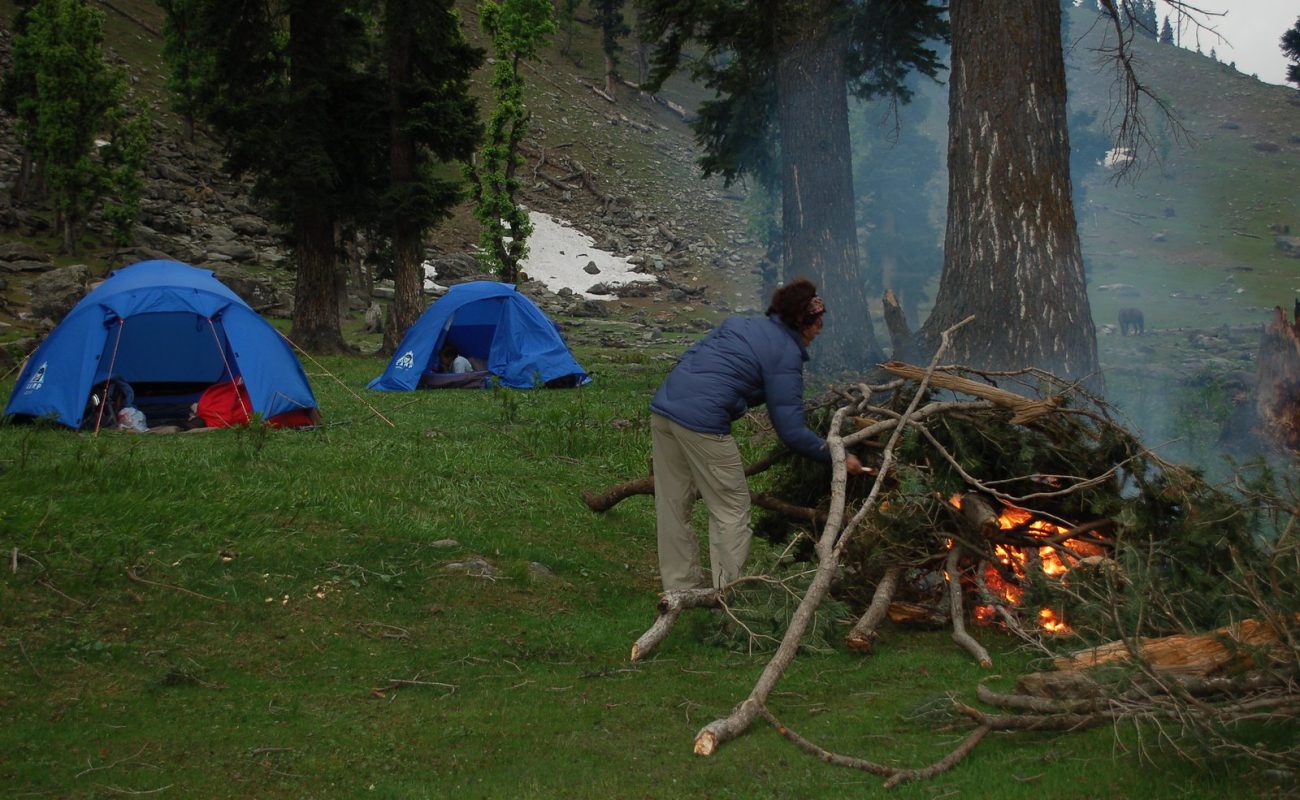
- Accommodation: Campsites, guesthouses, or homestays.
- Meals: Typically, all meals are provided during the trek.
- Guides and Porters: Experienced local guides and porters to assist.
- Transport: Pickup from Srinagar or Leh airport drop Back Srinagar Or Leh Airport.
- Permits: Necessary trekking permits and permissions.
Top 6 Trekking Spots in Leh Ladakh
1. Chadar Trek
The Chadar Trek is a unique adventure where trekkers walk across the frozen Zanskar River. During winter, the river forms a thick sheet of ice, creating a challenging yet stunning trail. This trek lasts about 8-9 days, covering approximately 105 kilometers, with temperatures plummeting to -30°C. Along the way, you’ll encounter surreal landscapes, frozen waterfalls, and the traditional lifestyles of the Zanskaris living in remote villages Itinerary for Chadar trek..
2. Markha Valley Trek
The Markha Valley Trek is one of the most popular routes near Leh, blending scenic beauty with rich cultural experiences. Over 6-8 days, trekkers cover 65-75 kilometers, passing through charming villages and ancient monasteries while crossing snow-capped peaks like Kang Yatse and Stok Kangri. This moderately difficult trek is best suited for those with previous trekking experience.Details for Markha Valley trek.
3. Stok Kangri Trek
For those looking to summit a Himalayan peak, the Stok Kangri Trek is an excellent choice. Standing at 6,153 meters, it’s one of the highest peaks in the region that can be trekked. This demanding route requires good health, acclimatization, and basic mountaineering skills. The trek typically takes 8-10 days to reach the summit from base camp, providing an exhilarating challenge for adventurous trekkers. Itineray for Stok Kangri Trekking.
4. Sham Valley Trek
Sham Valley trekking:Often referred to as the “Baby Trek,” the Sham Valley Trek is ideal for beginners and families. This short and easy trek lasts 3-4 days, covering 30-40 kilometers. You’ll pass through picturesque villages like Likir, Yangthang, and Hemis Shukpachan, offering insights into rural Ladakhi culture. The trail features ancient monasteries, apricot orchards, and barley fields, making it a peaceful and beautiful journey.More Details of Sham Valley Trek.
5. Nubra Valley Trek
The Nubra Valley Trek showcases stunning contrasts, from lush green valleys to arid deserts. Starting from Hundar village, the trek passes through villages like Skuru and Hunder Dok, covering 70-80 kilometers over 5-6 days. The highlight is crossing the Lasermo La Pass at 5,400 meters, which offers breathtaking views of the Karakoram Range. This trek is a fantastic way to experience the diverse landscapes of Nubra. For more information about Nubra valley trek.
6. Snow Leopard Trek
The Snow Leopard Trek in Ladakh is an exciting adventure where you can try to see the rare snow leopard, also called the “ghost of the Himalayas.” This trek takes you through beautiful, high mountain paths, quiet valleys, and small villages. You’ll be surrounded by stunning snow-covered peaks. With local guides, you’ll explore the snow leopard’s home, learning about wildlife and nature. It’s a special trip for anyone who loves adventure, wildlife, and beautiful mountains, offering a chance to experience the wild side of Ladakh in a unique way. read more Snow leopard trek.

Ladakh Trekking Peaks
Ladakh offers some incredible trekking peaks that attract adventure enthusiasts from around the world. Here are a few notable ones:
- Stok Kangri (6,153 m): This is one of the most popular trekking peaks in Ladakh. It’s relatively accessible and offers stunning views of the surrounding mountains.
- Kang Yatse II (6,250 m): Located in the Markha Valley, this peak is less crowded and provides a rewarding trekking experience with breathtaking vistas.
- Chashul (6,000 m): A challenging peak, Chashul requires some technical climbing skills and is best suited for experienced trekkers.
- Mentok Kangri (6,250 m): Situated near Tso Moriri Lake, this peak offers beautiful landscapes and a mix of trekking and climbing.
- Sia La (5,670 m): A great option for those looking for a less crowded trek, Sia La is known for its scenic beauty and challenging routes.
- Nun Kun (7,135 m and 7,077 m): These are the highest peaks in the Zanskar range, suitable for experienced climbers looking for a more adventurous expedition.
Each of these peaks has unique challenges and stunning views, making them fantastic options for trekkers and climbers. Always ensure proper preparation and acclimatization when trekking in high-altitude regions like Ladakh!

Short Treks In Ladakh
Short Treks in Ladakh: Explore the Breathtaking Trails
Discover the natural beauty and rich culture of Ladakh through three captivating short treks. Each trek offers unique landscapes, cultural experiences, and opportunities to connect with local communities.
1. Spituk to Matho Trek
Duration: 2-3 Days
Difficulty: Moderate
Starting Point: Spituk Monastery
Ending Point: Matho Monastery
Highlights:
- Scenic Views: Enjoy stunning vistas of the Indus Valley and snow-capped peaks.
- Cultural Experience: Visit ancient monasteries rich in history.
- Wildlife Spotting: Discover diverse flora and fauna along the trail.
- Homestays: Experience traditional Ladakhi life with local families.
Itinerary Overview:
Day 1: Spituk to Zingchen
Trek through picturesque landscapes, passing villages and enjoying views of the Indus River.
Day 2: Zingchen to Matho
Continue to Matho, visiting the monastery known for its unique festivals and culture.
Best Time to Trek: June to September
Permits Required: Ensure you have the necessary permits for trekking.
Acclimatization: Spend a day in Leh for acclimatization before the trek.
2. Spituk to Stok Trek
Duration: 4-5 Days
Difficulty: Moderate
Starting Point: Spituk Monastery
Ending Point: Stok Village
Highlights:
- Breathtaking Views: Experience panoramic sights of the Zanskar Range and Indus Valley.
- Cultural Richness: Explore the historical significance of Spituk and Stok monasteries.
- Local Interactions: Engage with communities along the way.
Itinerary Overview:
Day 1: Spituk to Zingchen
Trek through beautiful landscapes, with views of the Indus River.
Day 2: Zingchen to Stok La Base Camp
Ascend towards Stok La, camping amidst stunning mountain views.
Day 3: Stok La Base Camp to Stok
Cross the Stok La Pass and descend to Stok Village, visiting Stok Monastery.
Day 4: Explore Stok and Return to Leh
Visit the Stok Palace Museum and return to Leh.
Best Time to Trek: June to September
Permits Required: Obtain necessary trekking permits.
Acclimatization: Spend time in Leh for acclimatization.
3. Spituk to Chilling via Ganda La
Duration: 4-5 Days
Difficulty: Moderate to Challenging
Starting Point: Spituk Monastery
Ending Point: Chilling Village
Highlights:
- Ganda La Pass: Cross the pass with breathtaking views of the Zanskar Range.
- Cultural Insights: Visit remote villages and engage with locals.
- Natural Beauty: Experience diverse landscapes and unique wildlife.
Itinerary Overview:
Day 1: Spituk to Zingchen
Trek through scenic landscapes, enjoying views of the Indus River.
Day 2: Zingchen to Ganda La Base Camp
Ascend to the base camp with stunning views.
Day 3: Ganda La Base Camp to Chilling
Cross Ganda La Pass and descend to Chilling, known for its handwoven textiles.
Day 4: Explore Chilling and Return to Leh
Spend time in Chilling before returning to Leh.
Best Time to Trek: June to September
Permits Required: Ensure you have the necessary permits.
Acclimatization: Spend time in Leh for proper acclimatization.

Book Trekking in Ladakh
These short treks in Ladakh offer an unforgettable blend of adventure, culture, and stunning scenery. Whether you choose the Spituk to Matho, Stok, or Chilling trek, you’ll create memories that will last a lifetime. Prepare for your journey and embrace the spirit of Ladakh!.contact us for booking the trek.
Trekking Seasons in Ladakh
- Spring (April to May)
- Weather: Cool, with temperatures ranging from 5°C to 15°C during the day.
- Pros: The landscape starts to bloom, and it’s less crowded.
- Cons: Some high-altitude trails may still be snowbound.
- Summer (June to August)
- Weather: Pleasant, with temperatures ranging from 15°C to 25°C. Nights can be chilly.
- Pros: This is the peak trekking season. Trails are clear, and the weather is generally stable. Festivals also take place during this time.
- Cons: Popular routes can be crowded.
- Autumn (September to October)
- Weather: Cool, with temperatures dropping to around 10°C during the day.
- Pros: Stunning autumn foliage and fewer trekkers. Clear skies make for excellent views.
- Cons: Some higher treks may start to become inaccessible due to early snowfall.
- Winter (November to March)
- Weather: Cold, with temperatures often dropping below freezing. Heavy snowfall in some areas.
- Pros: The Chadar Trek (Frozen River Trek) is a unique experience for adventurous trekkers.
- Cons: Most trekking routes are inaccessible, and conditions can be harsh.
Best Overall Season
- June to September is generally considered the best time for most trekking adventures in Ladakh due to favorable weather conditions and trail accessibility.
Where to Find Trekking Maps for Ladakh:
Once in Leh, you can find physical maps at local bookstores or trekking shops.
Online Resources:
Google Maps: Search for popular trekking routes and trails in Ladakh.
Trekking Websites: Websites like Trekking in Ladakh or Indiahikes often have downloadable maps.
Tourist Blogs: Many travel bloggers share detailed itineraries and maps.
Books and Guidebooks:
Look for guidebooks on trekking in India or specifically in Ladakh, such as those by Lonely Planet or Footprint.
Local Shops:

Here are some important FAQs for trekking in Ladakh:
1. What is the best time to trek in Ladakh?
- The ideal trekking season is from June to September when the weather is mild and the trails are accessible.
2. Do I need a permit for trekking in Ladakh?
- Yes, many areas in Ladakh require Inner Line Permits (ILP) or Protected Area Permits (PAP). These can usually be obtained through travel agencies or online.
3. What is the level of difficulty for treks in Ladakh?
- Difficulty varies by trek; some are beginner-friendly while others require experience in high-altitude trekking. Popular moderate treks include the Markha Valley and Chadar Trek.
4. What should I pack for a trek in Ladakh?
- Essential items include trekking shoes, warm clothing, a sleeping bag, a first aid kit, water purification tablets, and high-energy snacks. Don’t forget sunscreen and sunglasses!
5. How can I acclimatize to the altitude?
- Spend at least a couple of days in Leh to acclimatize before trekking. Stay hydrated, avoid alcohol, and ascend slowly.
6. Are there any health risks associated with trekking in Ladakh?
- Altitude sickness is a concern. Symptoms can include headache, nausea, and fatigue. It’s crucial to recognize these early and descend if symptoms worsen.
7. Is it safe to trek in Ladakh?
- Generally, Ladakh is safe for trekkers, but it’s advisable to go with a guide or as part of an organized group, especially if you’re unfamiliar with the area.
8. What kind of food and water is available during treks?
- Most treks provide basic meals prepared by local cooks. It’s essential to carry water purification methods, as drinking water sources should be treated.
9. How do I get to Leh for trekking?
- Leh can be reached by air or road. Flights are available from major Indian cities, while road access is possible via Manali or Srinagar.
10. Can I rent trekking gear in Ladakh?
- Yes, many shops in Leh offer gear rental, including sleeping bags, trekking poles, and clothing. It’s advisable to check the quality before renting.
These FAQs should help you plan a successful trekking adventure in Ladakh!

Conclusion for Trekking in Ladakh
Leh is a trekking haven with routes that cater to all levels of adventurers. Whether you’re a seasoned mountaineer seeking a challenge or a novice looking for a serene experience, Leh offers stunning landscapes, rich culture, and warm hospitality. With proper preparation and acclimatization, your trekking adventure in this breathtaking region will surely be unforgettable! Contact us for trekking in Ladakh.